Explore our research on semiconductor materials, nanotechnology, composites, photocatalysis, electrochemistry, and advanced functional materials addressing environmental, energy, and engineering challenges...
Discover the faculty, researchers, graduate students, and collaborators driving innovative research through expertise, interdisciplinary collaboration, and a shared commitment to scientific excellence...
Browse peer-reviewed journal articles, conference papers, and scholarly contributions showcasing innovative discoveries, experimental findings, and collaborative research across diverse materials science disciplines.
Explore our modern laboratories and world-class scientific instrumentation designed to support materials characterization, experimental research, and interdisciplinary scientific innovation.
This group uses the facilities available at Nanotechnology Lab, BUET.
Photocatalysis
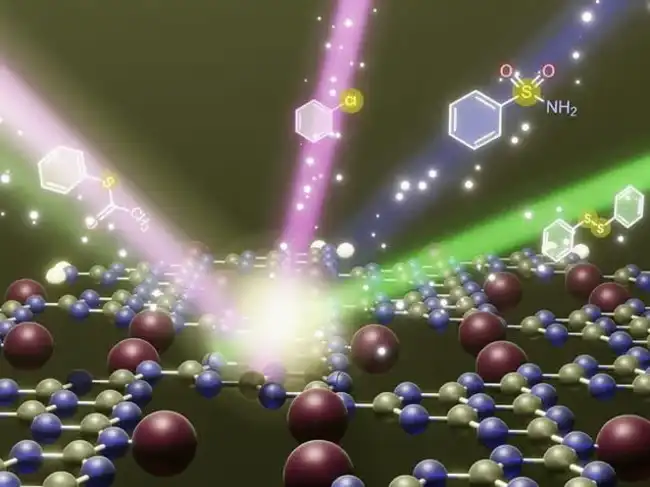
Explores the removal of pollutants and heavy metals from wastewater using modified semiconductor metal oxides and polyaniline, focusing on enhancing photocatalytic efficiency through doping and structural tuning.
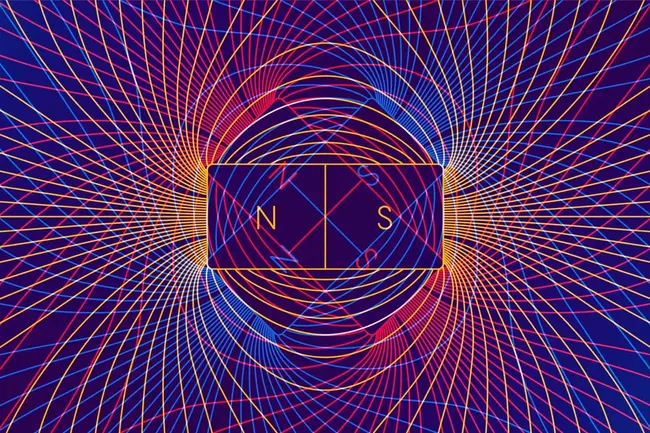
This research investigates the magnetic properties of semiconductor metal oxides (ZnO, CuO, TiO₂), focusing on the effects of dopants, especially non-metallic and rare earth elements.
Examines the electrochemical performance of doped semiconductor metal oxides and polyanilline for applications like water splitting and batteries, focusing on improving conductivity and catalytic activity.
Focuses on developing polymer and metal matrix composites for food packaging, structural use and electronics, emphasizing properties like UV shielding, mechanical strength, and thermal conductivity.
Studies how dopants influence the magnetic behavior of semiconductor metal oxides, aiming to enhance properties like ferromagnetism and magnetoresistance for spintronics and sensor applications.
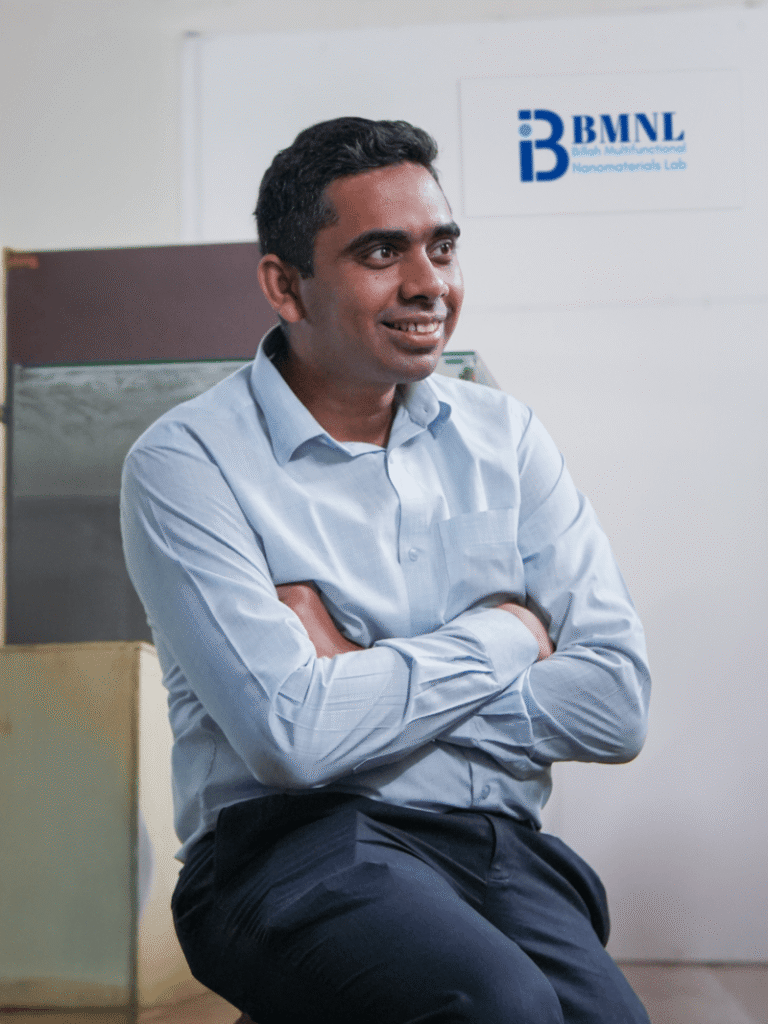
Dr. Billah focuses on the development of semiconductor metal oxides in the form of nanomaterials, thin films, and membranes for a wide range of multifunctional applications. These materials are explored for their potential in photocatalytic degradation of persistent organic pollutants (POPs), antibiotic removal from wastewater, heavy metal removal, water splitting, capacitive energy storage, Li-ion batteries, and antimicrobial activity. A significant part of the research is dedicated to understanding how synthesis routes, process parameters, and doping, particularly with non-metallic and rare-earth elements, influence the structure and properties of these materials. The materials systems include ZnO, CuO, TiO2, MnO2, BiVO4, and more. Additionally, Dr. Billah investigates conducting polymers like Polyaniline for multifunctional applications, as well as polymer matrix composites reinforced with semiconductor metal oxides for diverse applications, including food packaging. The research also extends to the development of thermal interface materials, which are vital for improving heat transfer efficiency in electronic devices, as well as investigating their electromigration failure behavior. Dr. Billah also works on surface modification of carbon nanotubes and other nanoparticles, along with carbon nanotube-reinforced metal matrix composites for advanced material solutions. He is actively involved in collaborations with faculties from both home and abroad, particularly in validating experimental results using first-principle approaches.
Professor
Head of the Department
Materials & Metallurgical Engineering (MME)
Dr. Muktadir Billah is a professor in the Department of MME at BUET and joined this department as a lecturer in 2009. He received his M.Sc. and B.Sc. degree in MME from BUET in 2012 and 2009, respectively. He received Amir Kushbahar Gold Medal for the highest undergraduate CGPA in the Faculty of Engineering.
M. S. in Materials Science and Engineering
University of Central Florida, USA
December 2016
Ph.D. in Materials Science and Engineering
University of Central Florida, USA
May 2017
Assistant Professor
Department of MME, BUET, Dhaka, Bangladesh
June 2013 - September 2020
Associate Professor
Department of MME, BUET, Dhaka, Bangladesh
September 2020 - May 2023
Professor
Department of MME, BUET, Dhaka, Bangladesh
May 2023 - Till Date
Head of the Department
Department of MME, BUET, Dhaka, Bangladesh
July 2026 - Till Date
Adjunct Faculty
Nuclear Engineering, University of Dhaka
2024 - Till Date
Visiting Scholar
University of Limerick, Ireland
May 2022 - July 2022